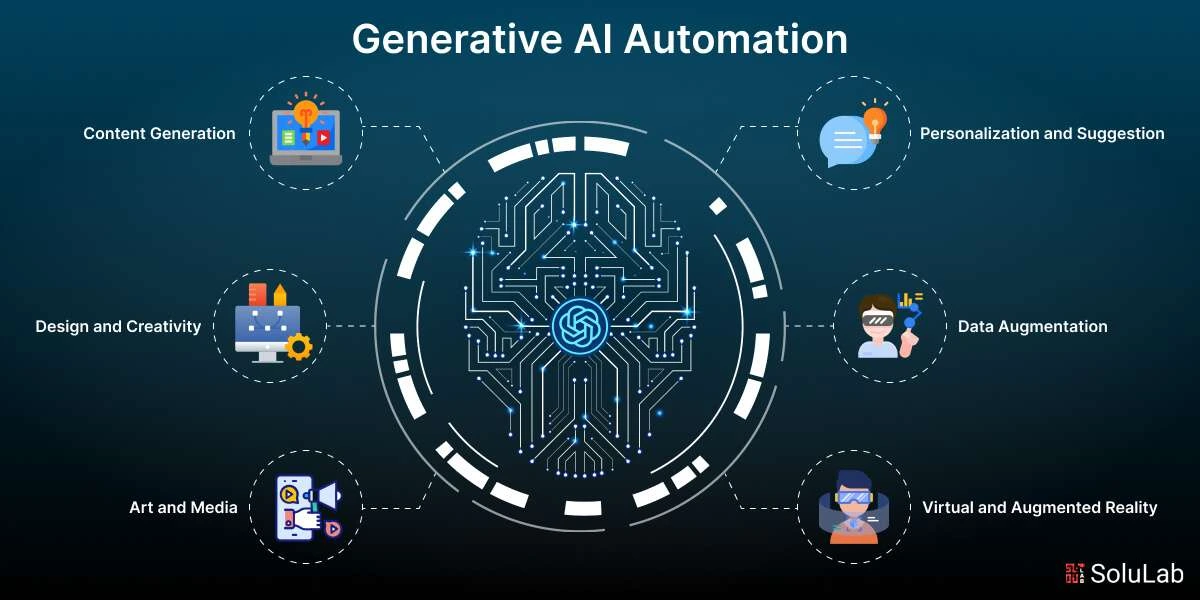
Artificial intelligence has ceased to be an event of the future and is living very much in the moment and reshaping the way tasks are accomplished. Among the most significant developments in AI would be the AI task automation that has begun to impact jobs quickly and is thereby creating very important questions about employment, besides opening up new meaning and efficiency in one’s tasks.
Therefore, what is the reality concerning jobs and AI today and in the future?
What is AI Task Automation?
The process of automating work using AI entails leveraging this technology to perform repetitive tasks, decision-making tasks, and those that require a lot of data. This is because these particular tasks are the ones that human beings have traditionally performed. Some examples of this would be processing data entries, answering customer questions, scheduling, content review, and even analysis to a degree.
However, the truth is that in most instances, the job that is automated is the task itself and not necessarily the work that goes with it. As a result, the human resource has the ability to engage in higher-level work that may entail creativity and critical thinking.
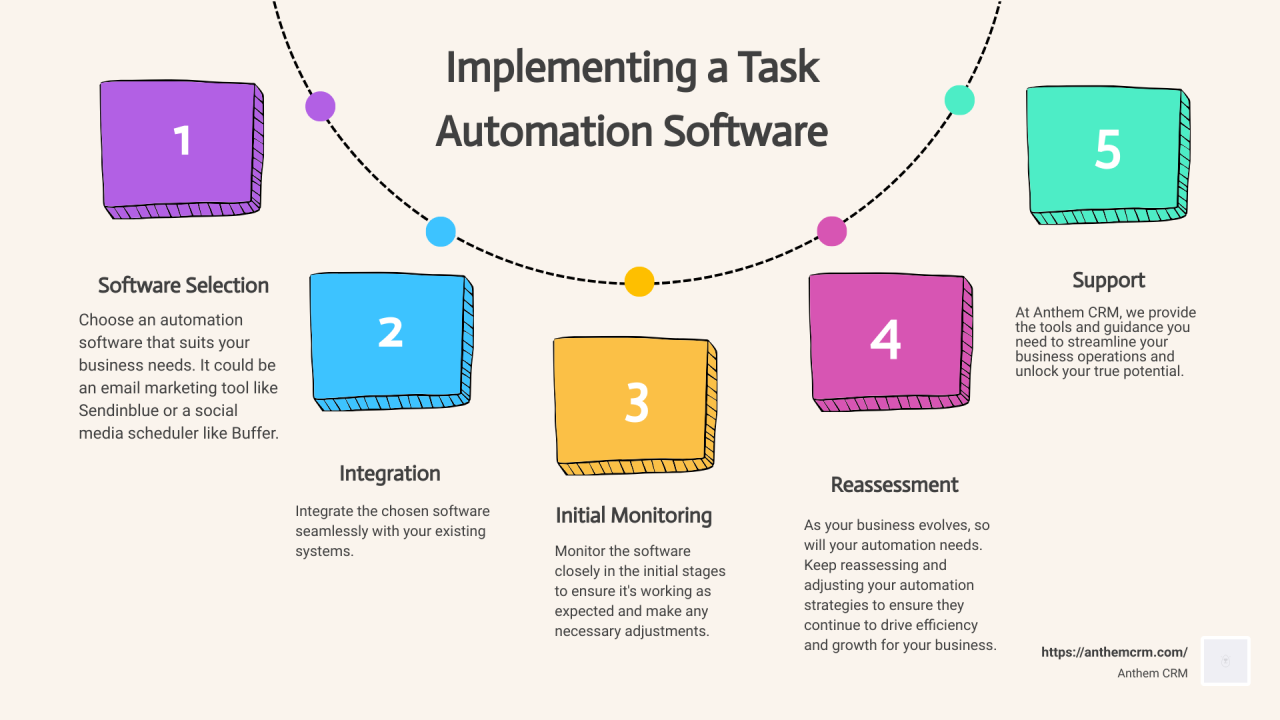
Why AI Task Automation Will Accelerate
Factors that are contributing to this increased adoption are as follows. A growing requirement among companies is the need for increased efficiency and cost reduction. There has been an improvement in the availability and accuracy of AI technology.
At the same time, the trend towards working from a distance or the digital revolution has also sparked interest in developing software that could operate continuously and evenly—that is, a capability that AI is well-suited for.
The Positive Effect of AI on Jobs
Though job loss is a major worry, there are a few positive aspects of AI in relation to workforce.
- Increased Productivity
AI assists employees in routine and repeatable tasks, allowing them to not only work faster but also smarter. So, ultimately, it means that employees will be devoting more of their efforts to strategic activities rather than tasks.
- Emergence of Jobs, Not Destruction
Functions are also being reframed, rather than eliminated. To illustrate, data analysts are doing fewer data cleaning tasks and more analysis of data meaning.
- New Job Categories
As the use of AI continues to advance, so too will new occupations develop, such as AI trainers, automation experts, and prompt engineers.
Jobs Highly Vulnerable to AI Automation of Tasks
Although AI systems have pervaded almost all sectors, some occupations are more affected by AI than others. This includes the following occupations: Administrative positions, customer service, manufacturing, and basic content production are experiencing the most automation.
Nonetheless, jobs which call upon human judgment or creativity continue to be of immense worth. Hence, the ability to be flexible is considered the secret of building a resilient career.
Skills Needed in An Artificial Intelligence Driven Workplace
As technology becomes more automated, the need for corresponding skill sets changes. People who upskill themselves in digital literacy, data analysis, problem-solving, and communication will have better chances of staying competitive.
In addition, the capacity to utilize and cooperate with AI systems, as opposed to competing against them, will be a major strength.
Adaptation and Responsibility in Business
Organizations also play an important role in addressing the job effects of AI. Businesses should invest in upskilling initiatives aimed at reducing the burden associated with the transformation brought about by AI.
In addition, the use of AI in an ethical way also reinforces trustworthy and sustainable growth.
Artificial Intelligence and the Future of Work
Automation of the work with the help of Artificial Intelligence will also continue to develop in the future. Unlike humans, the role of a working partner will be developed in AI in the future. All this gives humans the focus of priorities on innovation and management.
Ultimately, the future of working is less about human versus machines and more about humans enabled with intelligent systems.
Conclusion
Conclusion AI will continue to automate more and more jobs, and the effects of this automation will be transformative, and the effects will be none purely negative but also positive. While embracing the changes and utilizing AI as a tool, the best thing to do in this new age of jobs will be to develop the ability to be adaptable, and this will be the key skill for the new age of AI.